Understanding HVAC: Understanding Common Repairs and Advanced Techniques for Optimal Performance
Mastering HVAC systems necessitates an comprehensive understanding of their components and common issues. Homeowners can profit from recognizing symptoms that signal malfunction, as well as knowing when to attempt repairs themselves. Regular maintenance plays a pivotal role in prolonging system life and efficiency. However, the decision to upgrade or seek professional assistance can be daunting. Understanding these aspects can lead to improved comfort and energy savings. What strategies can actually enhance efficiency?
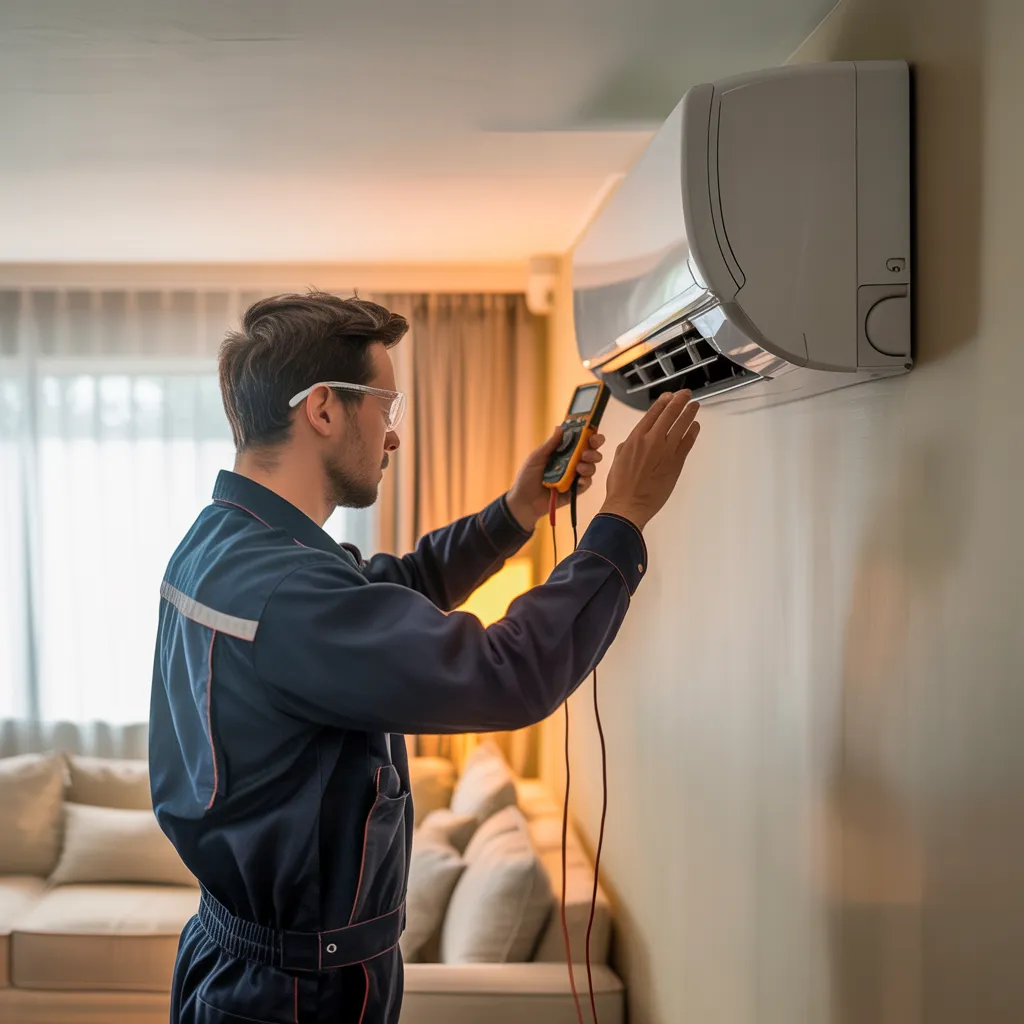
Comprehending Your HVAC System Elements
An HVAC system is a complex assembly of components designed to regulate indoor climate effectively. At its foundation, the system generally comprises a furnace or heat pump for heating, an air conditioner for cooling, and a ventilation mechanism that maintains air quality. The heating unit produces heat through fuel combustion or electrical power, while the air conditioner removes humidity and cools air. Ventilation systems feature ductwork that distributes conditioned air across the space and returns stale air for reprocessing. Thermostats play an essential role, enabling users to establish preferred temperatures and manage system functions. Additionally, filters are integral for trapping dust, allergens, and pollutants, ensuring clean air circulation. Knowledge of these components assists homeowners in understanding how their HVAC system works and promotes informed decision-making regarding maintenance and upgrades. In the end, properly maintained HVAC systems improve comfort and energy efficiency in all indoor spaces.
Standard HVAC Problems and Their Warning Signs
In what ways can homeowners identify common HVAC problems before they escalate? Spotting symptoms early can prevent costly repairs and maintain maximum system performance. One frequent issue is insufficient heating or cooling, suggesting potential problems with the thermostat or refrigerant levels. Homeowners may also hear unusual noises, such as banging or hissing, which could indicate mechanical problems or airflow restrictions.
An additional frequent indicator is increased energy bills without a corresponding increase in usage; this might point to inefficiencies within the system. Additionally, if there are unusual odors, particularly a burning smell, this could indicate severe electrical problems.
Finally, constant cycling on and off could indicate an issue with the compressor or a refrigerant leak. By maintaining awareness and conscious of these symptoms, homeowners can handle HVAC troubles swiftly, ultimately lengthening the system's lifespan and ensuring a comfortable living environment.
Do-It-Yourself Repairs: When to Address It Yourself
When evaluating DIY repairs in HVAC systems, homeowners must first gauge their skill level to ensure safety and effectiveness. Routine repairs, such as changing filters or resetting thermostats, can often be managed without professional assistance. However, recognizing one's limits is vital to avoid aggravating issues that may require expert intervention.
Determining Your Skill Level
Deciding whether to attempt HVAC repairs by yourself often depends on one's expertise level and experience. Individuals must first evaluate their grasp of HVAC systems, as a basic knowledge can considerably influence their capacity to diagnose and address issues. Basic mechanical aptitudes, experience with tools, and previous repair experiences can enable some homeowners to handle minor repairs. However, those lacking this expertise may end up overwhelmed, potentially causing further damage or safety hazards. Moreover, it is essential to factor in the complexity of the repair being considered; complicated systems often call for professional intervention. Ultimately, gauging one's comfort level and technical aptitude is crucial in making an informed decision about DIY HVAC repairs.
Common DIY Fix-It Jobs
For homeowners with a strong understanding of HVAC systems and basic repair capabilities, certain common DIY repairs can be manageable and cost-effective. Tasks such as changing air filters, cleaning condenser coils, and unclogging drainage lines are often within the capabilities of a handy homeowner. Moreover, checking thermostat settings and recalibrating them can boost system efficiency without professional assistance. However, it is essential to recognize limitations; more complex issues, such as refrigerant leaks or electrical problems, should be left to licensed technicians. By addressing minor repairs themselves, homeowners can preserve their systems efficiently and potentially increase the lifespan of their HVAC units, all while saving on service costs. Proper assessment of each situation will guide appropriate DIY efforts.
Importance of Routine Maintenance
Scheduled maintenance of HVAC systems plays an essential role in guaranteeing optimal performance and durability. By adopting regular upkeep, homeowners can enjoy budget-friendly options that decrease the chances of costly repairs. Consequently, a properly serviced unit improves efficiency and prolongs durability, delivering confidence and assurance for homeowners.
Preventive Healthcare Benefits
Although many residents may disregard the value of consistent maintenance, emphasizing proactive maintenance for HVAC systems can bring about notable long-term gains. Periodic inspections and servicing can enhance system efficiency, ensuring superior performance and comfort. Proactive maintenance aids in detecting potential issues before they turn into costly repairs, thereby extending the lifespan of the equipment. Furthermore, clean filters and well-maintained components enhance indoor air quality, promoting a healthier check this resource living environment. Regular check-ups also optimize energy consumption, which can result in lower utility bills. In summary, investing time and resources into preventative care not only preserves HVAC systems but also boosts overall home comfort and effectiveness, finally providing peace of mind for homeowners.
Cost-Efficient Solutions
Keeping up with HVAC systems is not only about ensuring comfort and efficiency; it also provides a number of cost-effective solutions that can help homeowners funds in the long run. Regular maintenance, such as switching out filters and cleaning coils, stops system overwork, thereby lowering energy costs. Prompt inspections help uncover potential issues before they grow into costly repairs. Additionally, maintaining proper insulation and sealing ductwork can enhance system performance while decreasing energy expenditures. Homeowners may also benefit from scheduling maintenance during off-peak seasons, often resulting in lower service rates. By investing in routine care, property owners can maximize their HVAC systems' efficiency, decrease unexpected expenses, and extend the lifespan of their equipment without incurring significant costs.
Optimized System Durability
Allocating resources to routine maintenance greatly enhances the longevity of HVAC systems. Regular check-ups allow technicians to identify and address minor issues before they escalate into costly repairs. By replacing filters, inspecting ductwork, and ensuring proper refrigerant levels, these maintenance tasks enhance system performance and avoid breakdowns. Additionally, consistent servicing promotes energy efficiency, which can reduce utility bills and extend equipment life. It is vital to comply with manufacturer recommendations regarding maintenance schedules. Neglecting these practices can lead to premature system failure and reduced indoor air quality. Ultimately, prioritizing regular maintenance not only preserves the functionality of HVAC systems but also contributes to a comfortable living environment and significant cost savings over time.
Increasing Energy Efficiency in Your HVAC System
To boost energy efficiency in an HVAC system, homeowners must consider numerous factors that contribute to peak performance. Regular maintenance is vital; this includes replacing air filters every one to three months to provide optimal airflow and reduce strain on the system. Sealing ducts can also lower energy losses, making sure that heated or cooled air reaches designated spaces without leakage.
In addition, programming thermostats to correspond to occupancy patterns can greatly minimize energy consumption. Employing ceiling fans together with the HVAC system can aid in circulate air more optimally, boosting comfort without straining the unit.
Finally, maintaining proper insulation in the home avoids energy loss, helping the HVAC system to maintain desired temperatures with less effort. By prioritizing these strategies, homeowners can realize a more energy-efficient HVAC system, leading to reduced utility bills and a smaller environmental footprint.
Upgrading Your HVAC System: What to Think About
When contemplating an upgrade to an HVAC system, homeowners should assess several key factors that influence both performance and efficiency. First, evaluating the size of the home is critical, as an improperly sized unit can cause inefficiency and discomfort. Energy efficiency ratings, such as SEER and AFUE, should also be examined to provide long-term savings on energy bills. Additionally, homeowners must determine the type of system—whether a heat pump, furnace, or central air conditioning unit best suits their needs.
Financial limitations have a substantial impact in decision-making, as higher upfront costs may be balanced by lower operational expenses. In addition, compatibility with existing ductwork and other systems should be addressed to minimize costly modifications. Lastly, exploring smart technology options can enhance control over energy usage. By evaluating these factors, homeowners can make educated choices about modernizing their HVAC systems effectively.
When You Need to Call a Professional for Professional Assistance
When should homeowners consider reaching out to professionals for their HVAC requirements? Spotting warning signs of HVAC complications is crucial. Should a system show abnormal noises, continuous odors, or varying temperatures, it might reveal deeper concerns requiring specialist involvement. Furthermore, when utility costs rise without warning, it might indicate poor performance that an expert can resolve.
Furthermore, homeowners should look into professional service when routine maintenance activities, such as filter swaps or system checks, are disregarded. If the system consistently cycles on and off or is unable to keep the desired temperature, these indicators require immediate attention from an HVAC specialist.
Finally, when confronted with complex repairs or system replacements, relying on a trained expert can ensure proper diagnosis and effective solutions, consequently increasing the lifespan of the HVAC system. Identifying these indicators can help maintain optimal performance and comfort in the home.
Frequently Asked Questions
When Should I Replace My HVAC Air Filters?
Air filters for HVAC systems should generally be replaced every 1 to 3 months, based on the type of filter and usage patterns. Routine replacement helps preserve excellent air quality and system efficiency, minimizing strain on the HVAC system.
How Long Does an Average HVAC System Last?
The typical lifespan of an HVAC system typically ranges from 15 to 25 years, relying on factors such as maintenance, usage, and installation quality. Routine maintenance can considerably extend its operational life and efficiency.
Is It Possible to Install an HVAC System on My Own?
Setting up an HVAC system yourself is doable but typically not recommended. It necessitates expert knowledge and tools. Incorrect installation can lead to inefficiency, safety dangers, and likely voiding of warranties, in the end making more difficult future repairs.
What Are the Signs That My HVAC Is Energy Efficient?
To evaluate if an HVAC system is energy efficient, one should check the SEER rating, check for correct insulation and duct sealing, evaluate energy bills for fluctuations, and schedule professional energy audits for detailed assessments.
How Do You Recognize a Refrigerant Leak?
Signs of a refrigerant leak include reduced cooling effectiveness, hissing and bubbling noises, ice buildup on coils, and increased energy expenses. Observing these warning signs can help establish the need for professional HVAC service and repair.